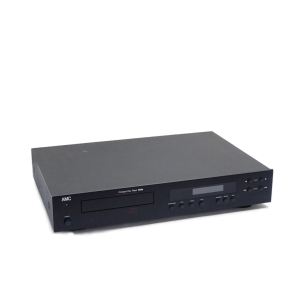
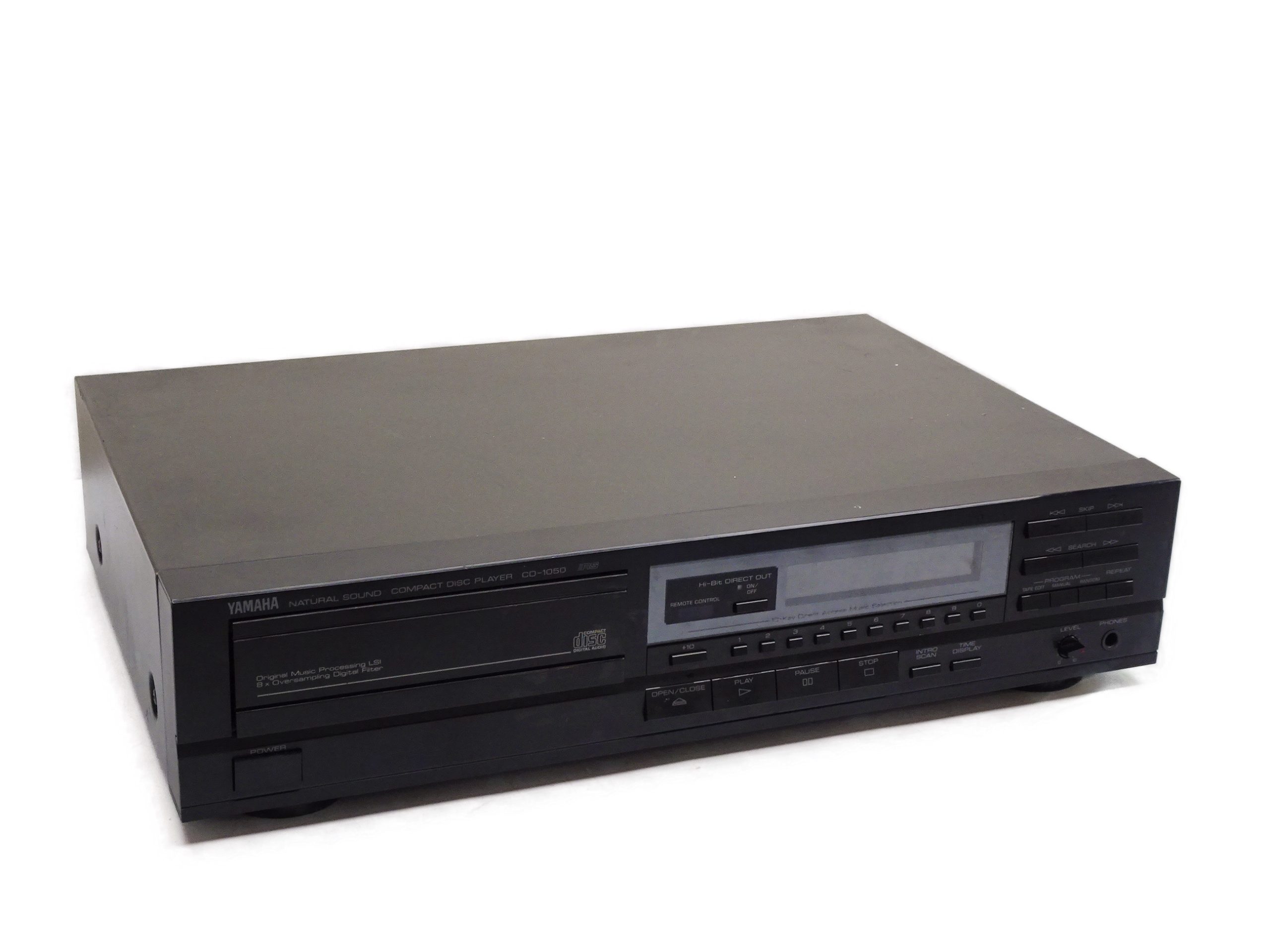
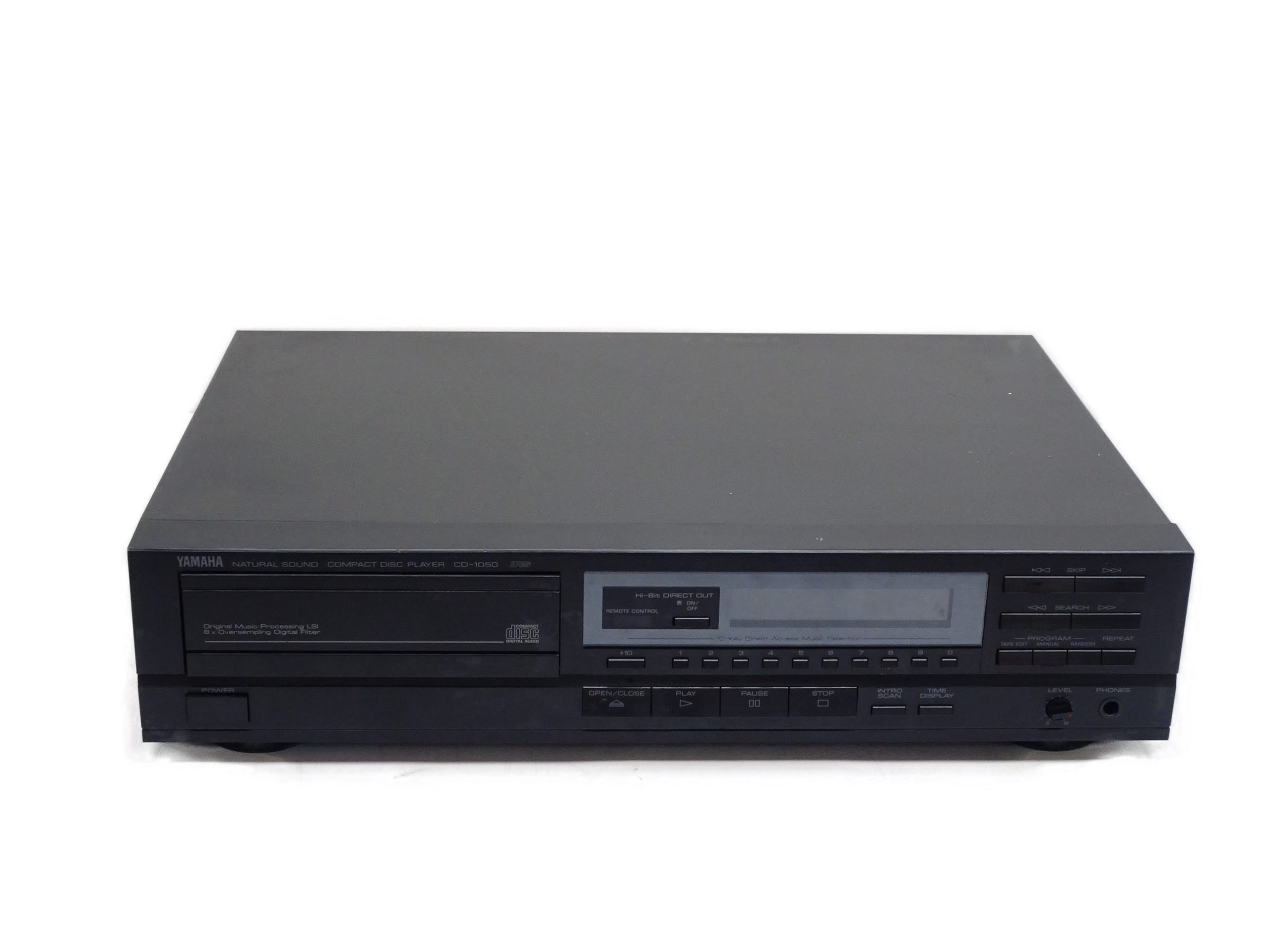
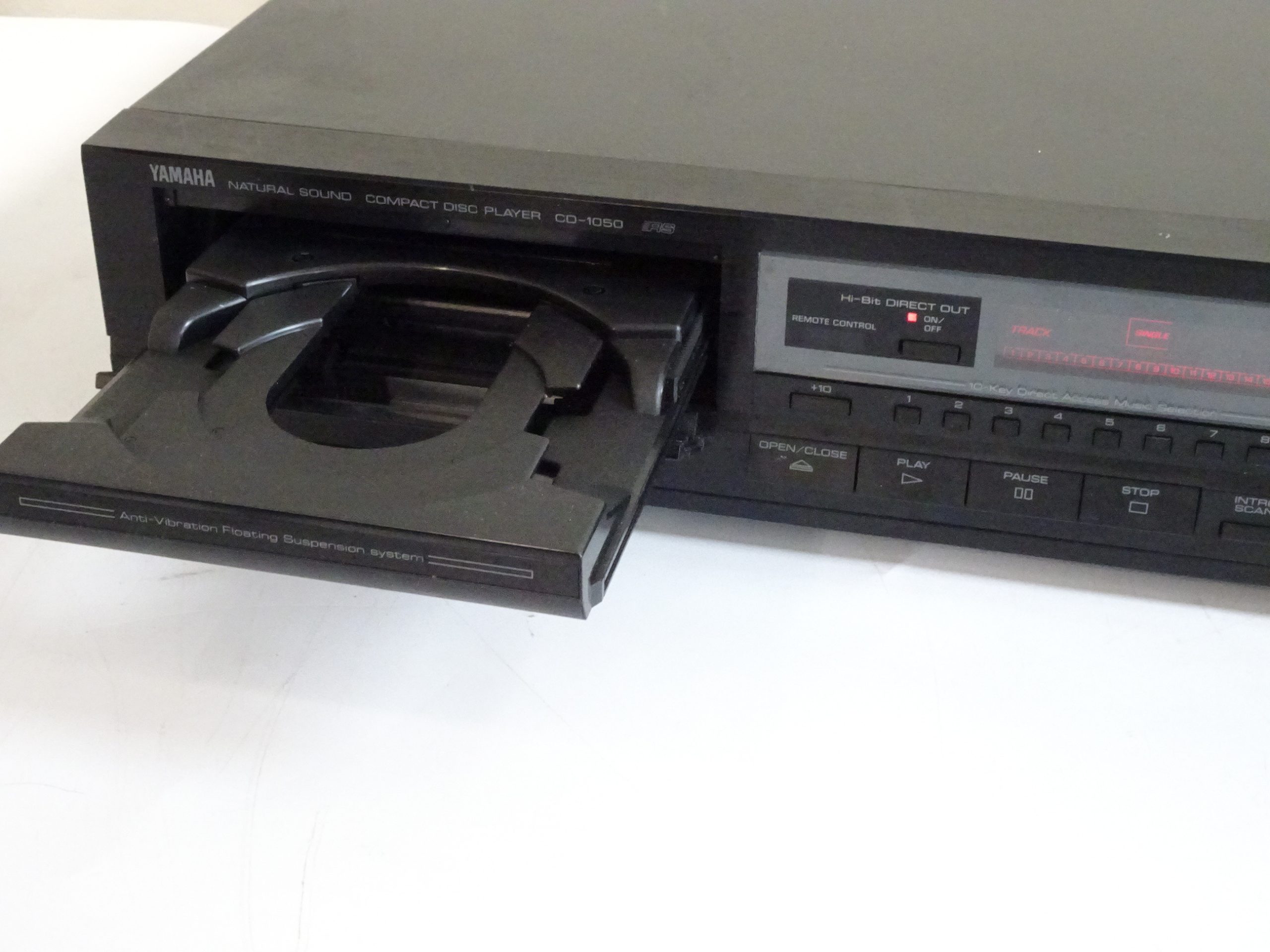
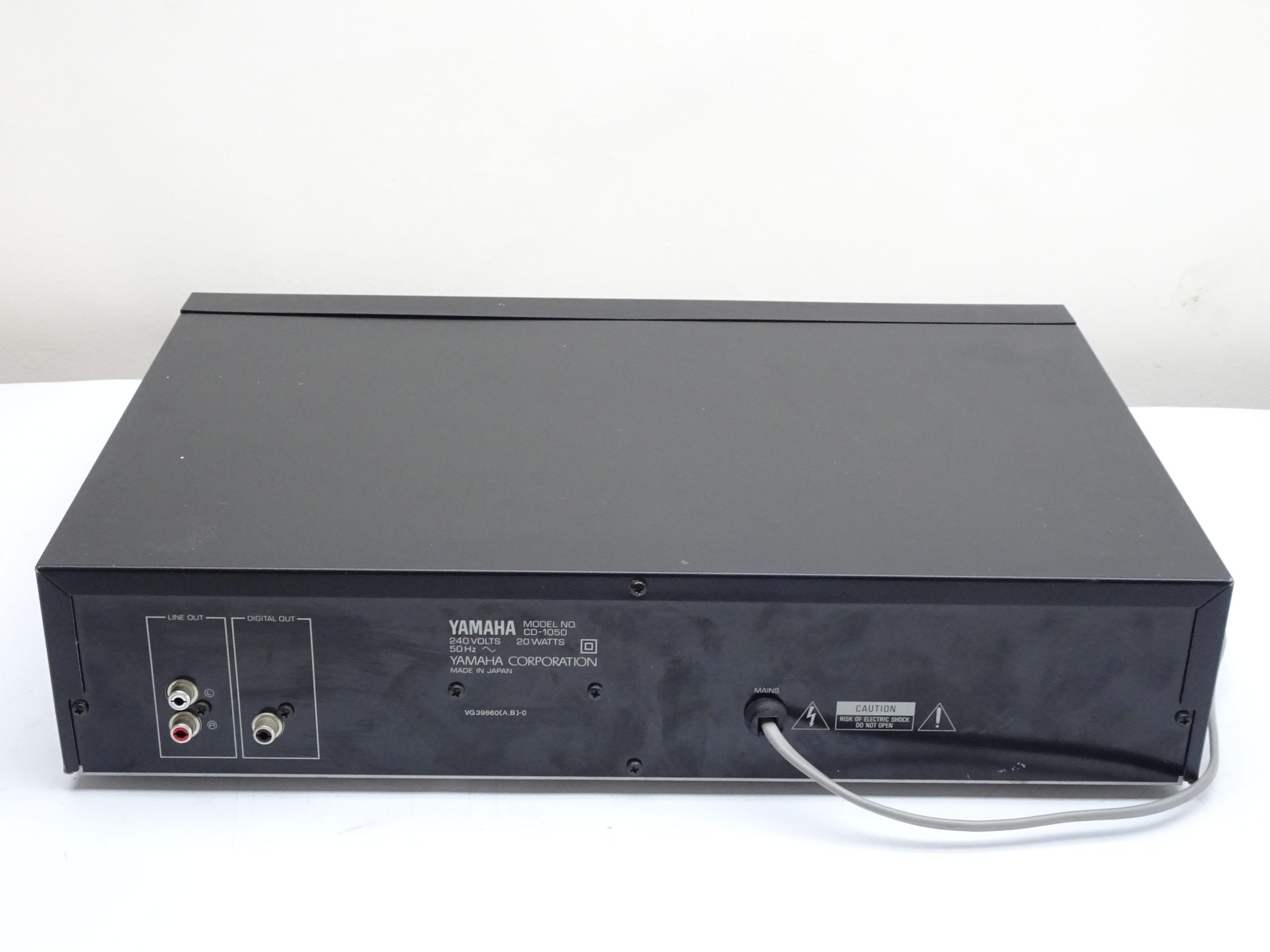
Built in 1989 when CD players were finding their feet, the Yamaha CD-1050 combines Yamaha’s engineering pedigree with properly sorted analog output stages.
What makes this unit interesting:
Specs that matter:
• Frequency response: 5Hz to 20kHz (flat response where you can hear it)
• Signal-to-noise ratio: 106dB (quiet — background noise isn’t a thing here)
• Channel separation: 90dB (stereo imaging stays clean)
• THD: 0.005% (practically nonexistent)
• DAC: Dual PCM56P, 16-bit with 8x oversampling
• Output: 2V line level
• Digital out: Coaxial (for feeding an external DAC if you want)
• Weight: 4.5kg (build that doesn’t feel disposable)
The Yamaha touch:
Yamaha used their I-PDM (Independent Pulse Density Modulation) system in the D/A conversion — it handles output pulse independence so even non-ideal waveforms convert cleanly without distortion. Not marketing fluff, just Yamaha doing DAC conversion the hard way to get it right.
Build quality is what you’d expect from late-80s Yamaha — solid transport, proper shielding, and an analog output stage that sounds musical rather than clinical. It doesn’t hide behind specs; it just plays discs.
Perfect for:
• A first serious CD player that doesn’t cost vintage Marantz money
• Systems where you want solid performance without fuss
• Anyone who remembers when 16-bit/44.1kHz was cutting edge and actually worked